
AM I PRETTY? · FREE · ON-DEVICE
Am I Pretty? A Free Photo Test With an Honest Answer
Am I pretty? Upload one front-facing photo and this free test measures 16 facial proportions on your device, then answers in plain words and shows where your photo sits among 100 people. It checks the photo first, so a bad angle cannot unfairly lower your result.
Last updated:
01 · Read the scale as
Changes the ideal bands and tier names only.
02 · Add a front-facing photo
- Look at the lens, neutral face, mouth closed
- Soft, even light. No flash, no filters
- Hair off the forehead, camera at eye level
Mapped inside your browser: the free score never uploads your photo. New accounts get 10 free credits for one AI rating.
How to answer “am I pretty?” with a photo test
Most people ask “am I pretty?” by looking in a mirror, which is the least reliable way to do it. A mirror flips your face, and your brain has spent years getting used to the flipped version. A measured test gives you the same answer every time for the same photo. Follow these five steps.
- 1
Pick a photo that shows your face clearly
Use a front-facing photo taken at eye level in soft, even light. Hair off the forehead, mouth closed, looking at the lens.
- 2
Upload it or use the camera
Add the photo in the tool above. It is checked on your device, so nothing is uploaded for the free result.
- 3
Watch the scan
The tool maps 478 points on your face and measures 16 proportions, such as symmetry, eye spacing and jaw width.
- 4
Read the plain-language answer
You get a label such as average or above average, and a picture of 100 people showing how many would score lower than your photo.
- 5
Try two more photos
Repeat with two other photos and look at the middle result. One photo is a snapshot, three is a pattern.
What your answer means in plain words
The tool scores your photo from 0 to 8 and turns the number into a label anyone can read. The third column shows roughly how many people out of 100 would score lower than you. These are community estimates, not a survey.
| Score | Plain answer | Out of 100 people |
|---|---|---|
| Below 2 | Well below the typical range | Under 3 score lower |
| 2 to 3.5 | Below average | About 3 to 25 score lower |
| 3.5 to 5 | Average, where most people are | About 25 to 70 score lower |
| 5 to 6 | Above average | About 70 to 93 score lower |
| 6 to 6.5 | Very attractive | About 93 to 97 score lower |
| 6.5 and up | Exceptional | More than 97 score lower |
If you land in the middle, that is the most common result there is. The full scale, with the tier names people use online, is explained on the PSL scale page.
What “pretty” means to this test
The test measures five things that studies of face perception link to how attractive a face looks in a photo. It does not measure everything that makes someone appealing.
- Symmetry: how closely the left and right halves of the face match.
- Proportions: the thirds of the face and the width relative to the height.
- Eye area: spacing, tilt and openness of the eyes.
- Jaw and chin: how wide and defined the lower face is.
- Midface harmony: how nose, mouth and cheeks relate to each other.
It cannot see your smile, your voice, your style or how you carry yourself, and those usually matter more to the people who know you.
Three faces, three answers
These three results come from AI-generated portraits, so you can see how the answer looks without using a real person. The numbers are the tool's real output.
| Portrait | Score | Plain answer | Scores lower out of 100 |
|---|---|---|---|
| Example 1 | 6.18 | Very attractive | 94 |
| Example 2 | 5.80 | Above average | 88 |
| Example 3 | 5.84 | Above average | 89 |
AI-generated faces tend to be smoother and more symmetric than real ones, so they score higher than a typical person. Do not compare your result with theirs; compare it with your own photos.
Why “am I pretty?” can change between photos
The biggest reason is the camera, not your face. A phone held low and tilted up makes the jaw look heavier and the nose longer. A phone at eye level keeps the proportions where they really are. Light and expression matter too, and you can see how in the PSL scale test guide.
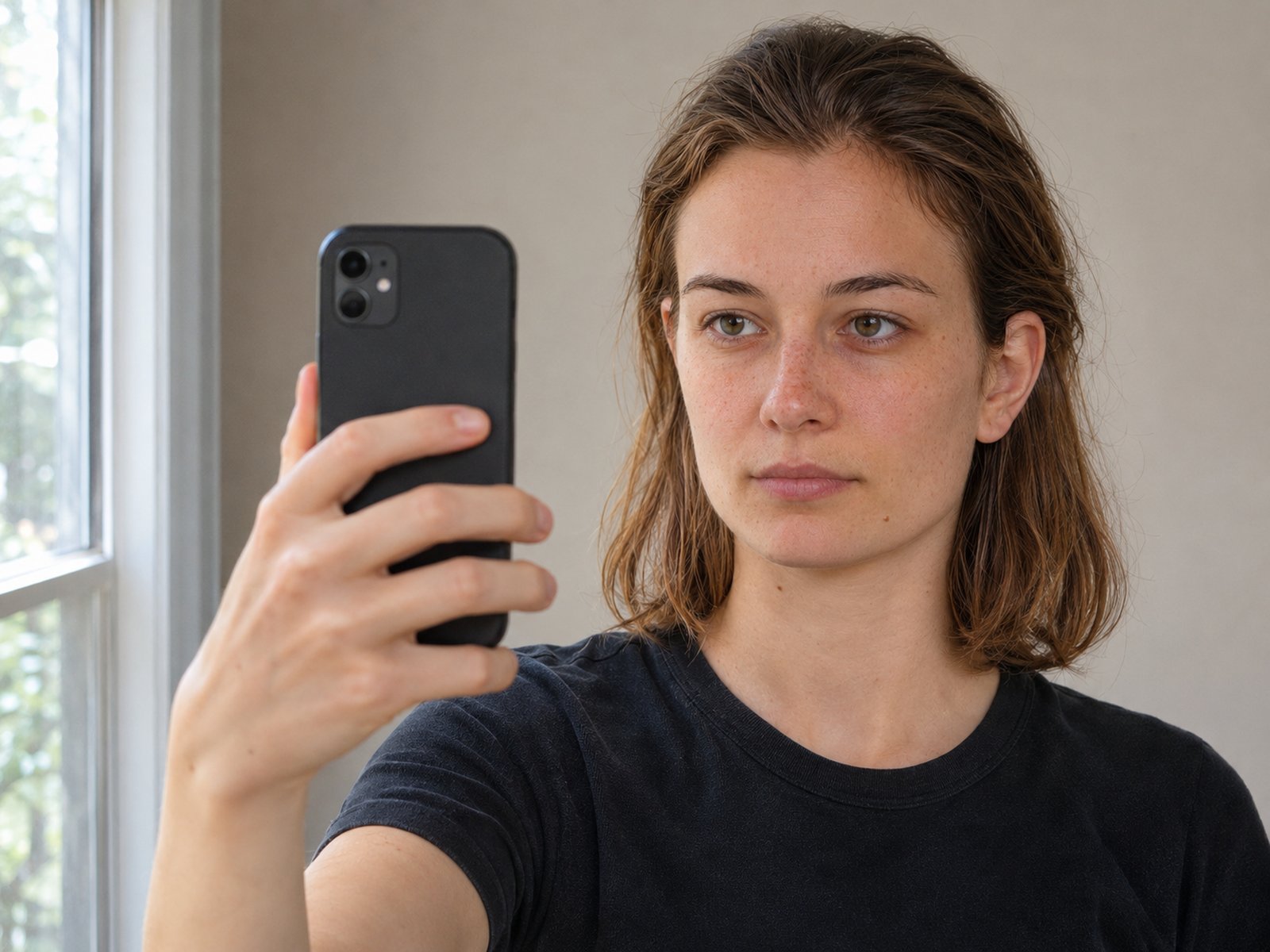 AI-generated person
Eye level
The most accurate setup for an “am I pretty” photo.
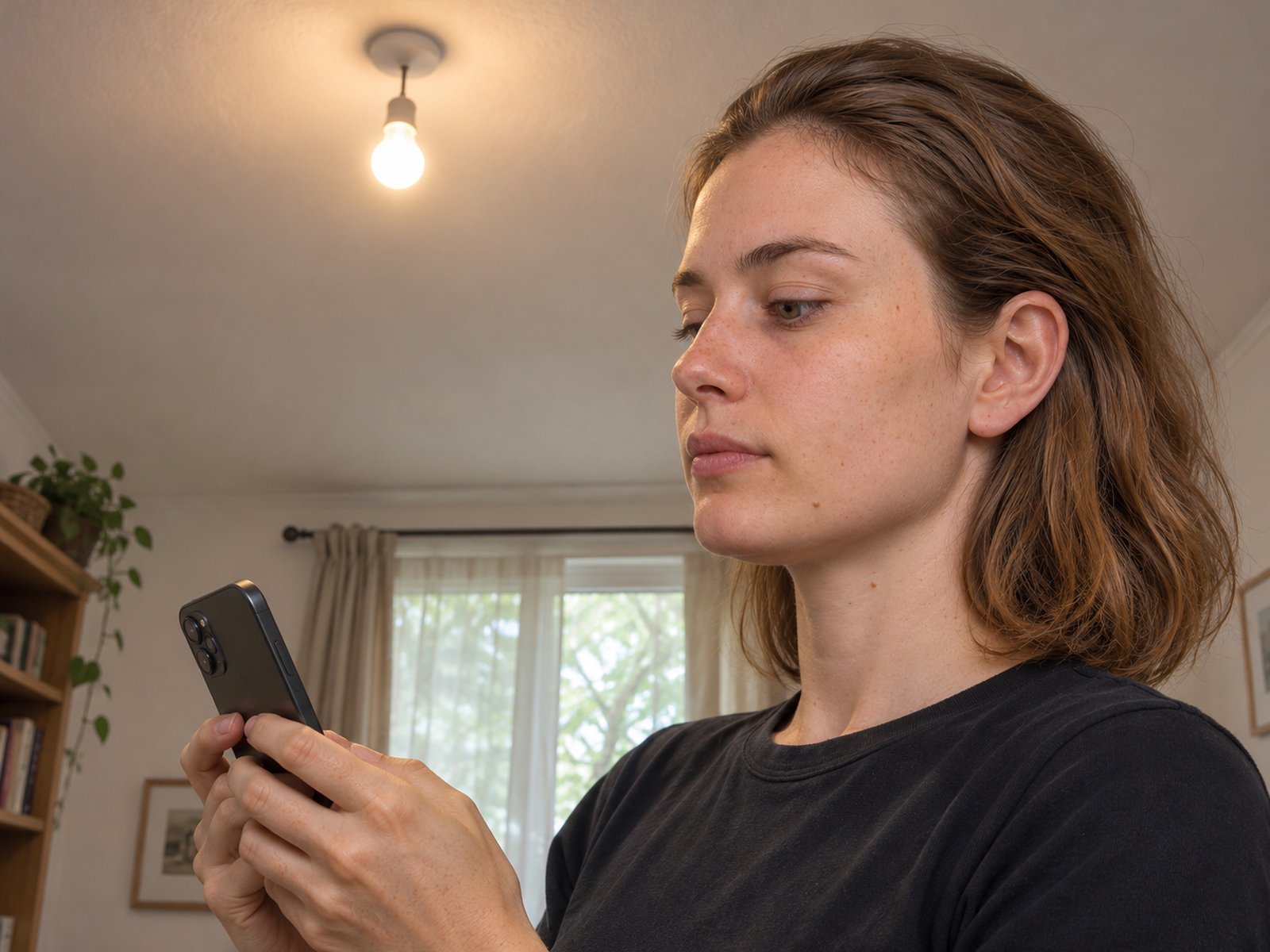 AI-generated person
Held low
This angle makes the lower face look bigger than it is.
After the answer
If you want the detail behind the label, open PSL score meaning for what each number says, or type your own measurements into the PSL calculator. If the result makes you uneasy, read the am I ugly test guide, which explains where most people actually land and what a single photo cannot tell you. The method is on how the rating works.
Frequently asked questions
Ready to see where you land?
The on-device score is free, needs no account, and never uploads your photo.
Find out if I'm pretty